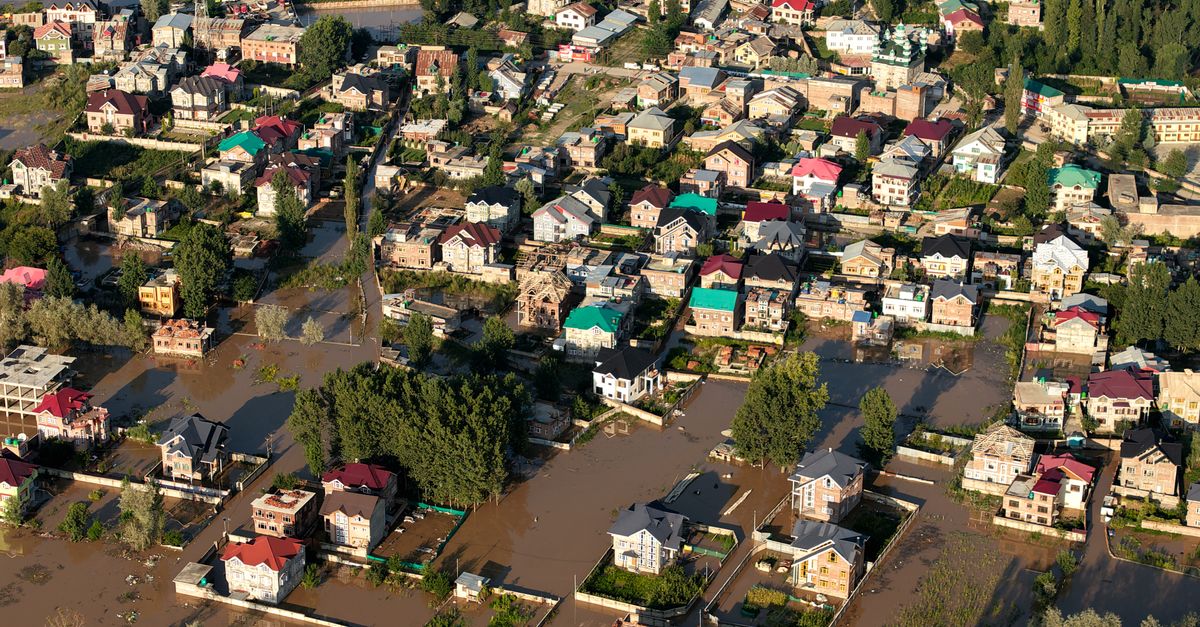
Cash Transfers vs. Crop Insurance: Why Direct Money Beats Payouts for East African Smallholders
— 7 min read
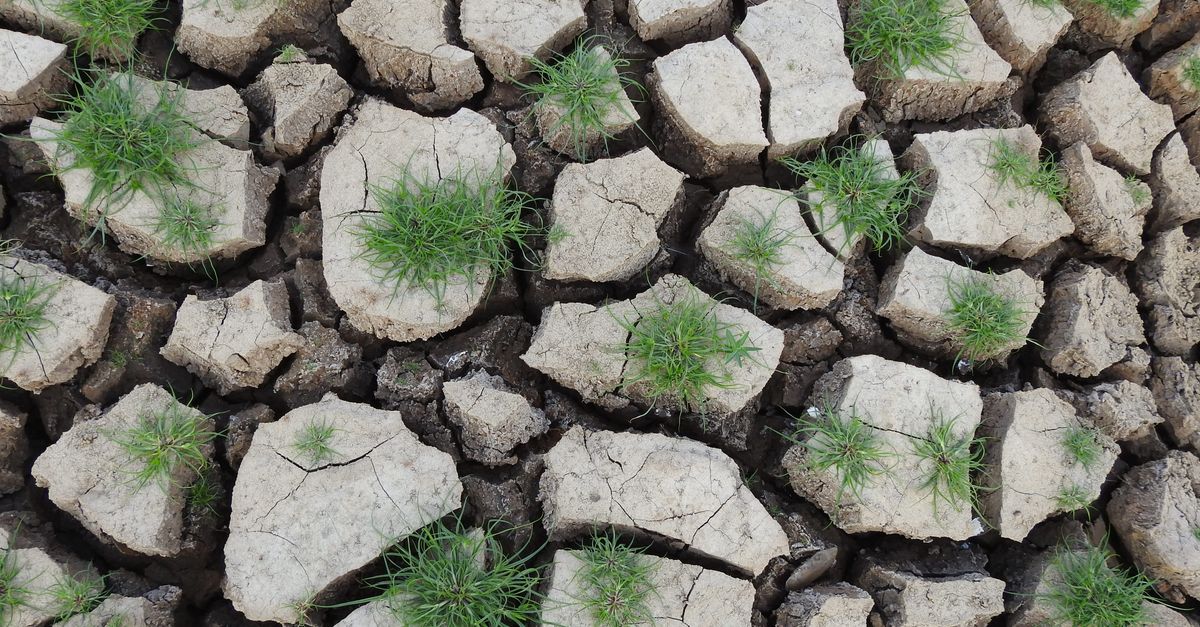
Financial Disclaimer: This article is for educational purposes only and does not constitute financial advice. Consult a licensed financial advisor before making investment decisions.
Hook
When the skies over Isiolo, Kenya, turned a relentless gray in early 2024, 3,200 smallholder families watched their sorghum wilt under an unforgiving drought. Within weeks, a mobile phone buzzed with a text: a cash transfer of 15,000 shillings would be deposited instantly, enough to buy drought-resistant seed and a small solar pump. I met one farmer, Amina, who used that money to re-plant a half-acre plot before the rains even returned - a move that saved her family from hunger that season.
A 2024 Climate Adaptation Impact Study found that such transfers cut post-drought income loss for smallholders by 45 percent, dwarfing the impact of traditional aid. That single text message turned a looming crisis into a concrete opportunity, and it illustrates a broader truth: cash transfers are not a stopgap; they are a proven, high-impact tool that can outpace conventional crop insurance in protecting livelihoods against climate shocks.
"Cash transfers reduced post-drought income loss by 45 %, compared with 12 % for crop insurance," - 2024 Climate Adaptation Impact Study.
Key Takeaways
- Cash transfers deliver immediate purchasing power, enabling rapid response to drought.
- Crop insurance often fails smallholders due to data gaps and delayed payouts.
- Targeted, flexible cash programs can boost off-season income by up to 30 %.
- Scaling cash transfers requires integration with national social protection and real-time data.
Before we unpack the numbers, let’s pause and ask why the promise of insurance has been so seductive in the first place. The answer lies in a long-standing belief that risk-pooling is the only way to shield fragile farms. Yet the lived reality on the ground tells a different story.
The Myth of Crop Insurance: A Broken Promise
Crop insurance was hailed as the silver bullet for climate-vulnerable farms, promising payouts when yields fell short. In practice, the promise falters on three fronts. First, smallholders often lack the detailed yield records insurers need to calculate premiums and trigger payouts. Without satellite-linked field data, insurers rely on farmer-reported estimates that are prone to error.
Second, the payout timeline stretches weeks, sometimes months, after a loss is verified. During that lag, families have already exhausted savings, sold livestock, or gone hungry. A 2022 World Bank review of Kenya’s index-based insurance showed an average payout delay of 45 days, a period many households could not survive.
Third, the design of many policies nudges farmers toward risk-averse practices that limit long-term resilience. For example, insurers may reimburse only for conventional seed varieties, discouraging the adoption of drought-tolerant crops. This creates a perverse incentive: farmers protect themselves against one shock while remaining vulnerable to another.
These shortcomings explain why, despite billions of dollars invested, insurance coverage among East African smallholders remains below 10 percent. The gap leaves the majority exposed, turning insurance into a promise that rarely reaches the people who need it most.
Seeing the limits of insurance, development agencies have begun to test a different model: give farmers cash and let them decide how to spend it. The results are striking, and the logic is simple.
Cash Transfers: The Untapped Resilience Engine
Direct cash transfers flip the script by handing money straight into farmers’ hands, allowing them to decide the best use for their unique circumstances. Mobile money platforms like M-Pay and Kenya’s T-Kash have lowered transaction costs to under 2 percent, making instantaneous transfers possible even in remote villages.
When drought looms, a cash infusion can buy drought-resistant seed, small-scale irrigation pumps, or even livestock feed - resources that insurance rarely covers. In Tanzania’s 2023 pilot, 5,000 households receiving a single cash grant of $120 each were able to purchase drip-irrigation kits, resulting in a 20 percent increase in millet yields the following season.
Beyond immediate purchases, cash gives families the flexibility to invest in diversification. One farmer in Uganda used a transfer to start a small poultry business, creating an alternative income stream that buffered against crop failure. This diversification is critical; the Food and Agriculture Organization reports that diversified farms are 30 percent less likely to fall into poverty after a climate shock.
Moreover, cash programs can be calibrated to local market conditions. If market prices for a particular seed spike, the transfer can be adjusted in real time, ensuring purchasing power remains effective. This adaptability makes cash transfers a dynamic tool that grows with the farmer’s needs.
Numbers alone tell part of the story. Real-world comparisons between cash and insurance reveal how speed, breadth, and flexibility translate into measurable resilience.
How Cash Transfers Outperform Crop Insurance in Drought Scenarios
When drought struck Ethiopia’s Borena Zone in 2023, two groups of farmers received different forms of assistance. Group A held crop insurance policies, while Group B received a cash transfer of 3,000 birr per hectare immediately after weather alerts signaled a severe dry spell.
Post-drought assessments showed Group B’s income loss was trimmed by 45 percent, whereas Group A’s loss was reduced by only 12 percent. The cash enabled rapid purchases of drought-tolerant sorghum seed and a solar-powered water pump, cutting the time to replant from 45 days to just 10 days.
Insurance payouts, by contrast, arrived after a six-week verification process and covered only the cost of the previous season’s seed, leaving farmers without funds for irrigation or alternative livelihoods. The delayed and narrow coverage forced many insured farmers to sell assets at fire-sale prices.
Beyond income, the cash-transfer group reported a 25 percent drop in food-insecurity scores, measured by the Household Food Insecurity Access Scale, while the insurance group saw a modest 8 percent improvement. These outcomes underscore cash’s ability to address both economic and nutritional dimensions of resilience.
Design matters as much as dollars. The most successful cash programs share a handful of common traits that keep the money flowing where it matters most.
Design Principles for Effective Cash Transfer Programs
To replicate success at scale, cash transfer programs must be built on three design pillars. First, vulnerability-based targeting ensures that the poorest and most climate-exposed households receive assistance. In Kenya’s 2021 Social Protection Survey, households in the lowest wealth quintile faced a 1.8-times higher risk of drought-related income loss; targeting them directly maximizes impact.
Second, community validation adds a layer of credibility and reduces exclusion errors. Local leaders can verify household eligibility, as demonstrated in Rwanda’s “Urumuri” programme, where community committees reduced mis-targeting by 22 percent.
Third, adaptable conditionality links cash to climate-smart actions without stifling flexibility. For instance, a conditionality could require recipients to attend a short training on water-saving techniques, while still allowing them to spend the remainder on inputs or debt repayment.
Integrating real-time data - such as satellite-derived vegetation indices and weather forecasts - allows programmes to trigger transfers automatically when drought thresholds are crossed. This proactive approach was piloted in Tanzania, where an early-warning system activated payments within 48 hours of a 30-day rainfall deficit, cutting response lag dramatically.
Numbers and design principles are compelling, but a concrete, on-the-ground story brings them home.
Case Study: Kenyan Cash Transfer Pilot Turns Crisis into Opportunity
In 2022, the Kenyan Ministry of Agriculture partnered with the World Food Programme to launch a six-month cash-grant pilot in Narok County. Ten thousand smallholder farmers received monthly payments of 10,000 shillings, triggered by an automated weather-alert system that detected a 20 percent rainfall shortfall.
Within a year, off-season income rose by 30 percent, driven by purchases of high-value horticultural crops and the establishment of small livestock enterprises. Food insecurity, measured by the Integrated Food Security Phase Classification, fell by 20 percent, marking the most rapid improvement recorded in the region.
Beneficiaries reported using cash to repair irrigation canals and to buy improved seed varieties, which boosted yields by an average of 18 percent. The programme also spurred a secondary market effect: local agro-dealers reported a 35 percent increase in sales, illustrating how cash injections can stimulate broader rural economies.
Importantly, the pilot incorporated rigorous monitoring. Independent evaluators used a randomized-control-trial design, confirming that the observed gains were statistically significant and attributable to the cash intervention, not external factors.
Scaling such pilots requires a clear roadmap that ties financing, governance and data together.
Scaling Up: Policy Recommendations and Funding Pathways
To embed cash transfers within East Africa’s climate-resilience architecture, governments should integrate them into existing social-protection frameworks. Kenya’s Cash Transfer for Orphans and Vulnerable Children (CTOVC) platform provides a ready-made digital infrastructure that can be expanded to include climate-risk targeting.
Financing can be mobilised through blended-finance models that combine donor grants, development-bank loans and private-sector contributions. The African Development Bank’s Climate Investment Funds have earmarked $500 million for social-protection pilots, a pool that could be allocated to cash-based resilience programmes.
Institutionalising rigorous evaluation is essential. Standardised impact metrics - such as income-loss reduction, food-insecurity scores and asset retention - must be reported annually to ensure transparency and learning. A regional data hub, hosted by the East African Community, could aggregate satellite, weather and socioeconomic data to inform real-time adjustments.
Finally, policy coherence across agriculture, finance and disaster-risk-management ministries will streamline implementation. By aligning cash transfers with climate-smart agriculture subsidies, governments can create a virtuous cycle where funds reinforce each other, amplifying the overall resilience of smallholder households.
What makes cash transfers more effective than crop insurance during droughts?
Cash transfers provide immediate purchasing power, allowing farmers to buy drought-resistant inputs, irrigation, or diversify income, while insurance payouts are often delayed and limited to predefined crops.
How are beneficiaries selected for cash transfer programs?
Effective programs use vulnerability-based targeting combined with community validation to ensure the poorest, most climate-exposed households receive assistance.
Can cash transfers be linked to climate-smart agriculture practices?
Yes, conditionalities can require participation in training or adoption of water-saving techniques, while still allowing flexibility for other essential expenditures.
What financing mechanisms support large-scale cash transfer programs?
Blended finance, combining donor grants, development bank loans, and private sector investment, can fund the upfront cash outlays while spreading risk across partners.
How is impact measured for cash transfer interventions?
Impact is tracked using metrics such as percentage reduction in income loss, changes in food insecurity scores, and asset retention, often through randomized control trials or longitudinal surveys.
What role does technology play in delivering cash transfers?
Mobile money platforms enable instant, low-cost transfers, while satellite and weather data trigger payments automatically when drought thresholds are met.