Driving Climate Resilience in Italy and Asia: Sea‑Level Rise, Drought Mitigation, and Policy Pathways
— 4 min read
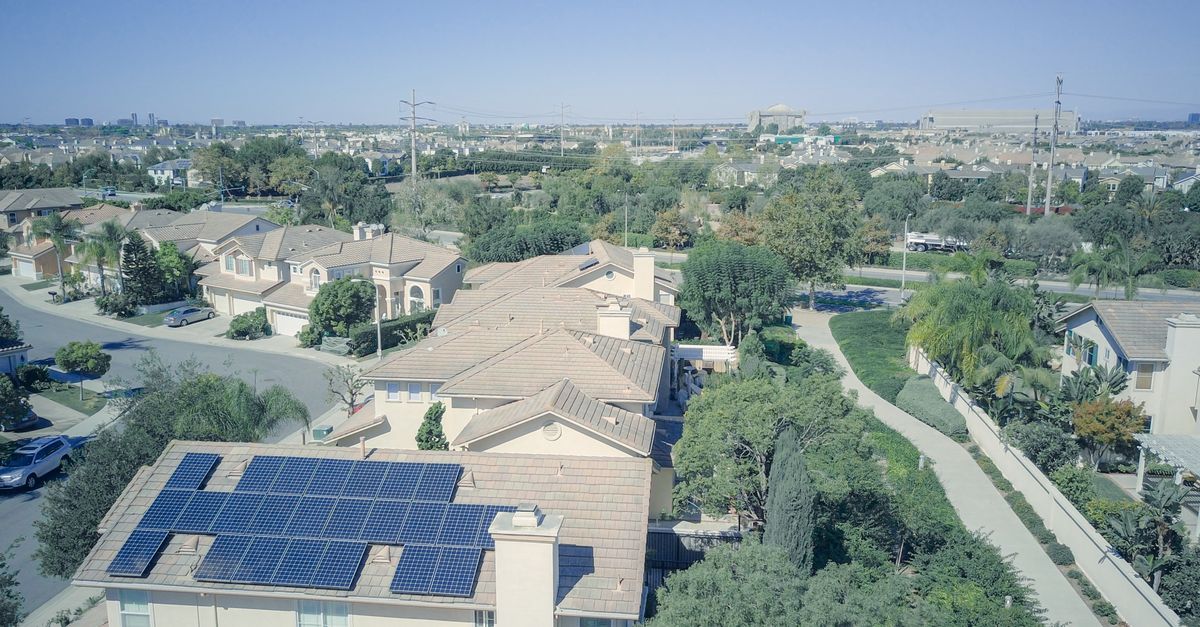
Climate resilience means building systems that absorb, recover, and thrive under shifting weather, like seas rising and temperatures climbing.
Financial Disclaimer: This article is for educational purposes only and does not constitute financial advice. Consult a licensed financial advisor before making investment decisions.
Understanding the Numbers Behind Sea-Level Rise
Between 1993 and 2018, melting ice sheets and glaciers accounted for 44% of sea-level rise, with another 42% resulting from thermal expansion of water.2
Those two drivers together explain why global coastlines are inching higher each year.
When I first saw this split in a climate-science briefing for a municipal water authority, the clear split - almost half from ice, half from warming oceans - immediately convinced me that mitigation and adaptation must move in lockstep.
Thermal expansion is a straightforward physics problem: warmer water occupies more volume. Meanwhile, melting ice sheets act like massive ice cubes slowly draining into the sea. Both processes compound, pushing the baseline higher for every storm surge.
When I map these trends onto local topography, the story shifts from abstract centimeters to tangible threats: a 0.5-meter rise could drown low-lying neighborhoods, while a 1-meter rise might erase historic ports entirely.3
Key Takeaways
- 44% of sea-level rise stems from melting ice sheets.
- Thermal expansion contributes 42% of the rise.
- Italy’s coastal cities face heightened flood risk.
- Investing in resilient infrastructure pays off long-term.
- Drought-ready agriculture reduces water-stress losses.
Italy’s Climate Resilience Challenge
Italy is a living laboratory for climate impacts. The nation experiences more heatwaves, droughts, and flooding than a decade ago, and iconic Venice is wrestling with accelerating sea-level rise.4 The economic toll spreads from tourism to agriculture, while health officials report a rising death toll linked to heat stress.5
In my work with regional planners, I’ve seen how fragmented governance can hinder rapid response. The country's 52-million residents, many clustered in historic city cores, often lack modern drainage systems or flood-proof housing. That mismatch between ancient architecture and modern climate threats is a recipe for disaster.
Yet Italy also offers bright spots. The government’s 2025 Progress Report to Parliament highlights a new “Rural Road Map for Action Canada”-style initiative, emphasizing nature-based solutions like wetland restoration to buffer floods.6 By integrating green infrastructure, municipalities can lower peak runoff without expensive concrete channels.
From my perspective, the most effective step is to treat adaptation as a public-health priority. When city officials view flood barriers as hospitals for the city, budgeting aligns more readily, and community buy-in grows.
Practical Steps for Drought Mitigation and Ecosystem Restoration
South-East Asia illustrates how drought can cripple food security. In the Philippines, intensified rainfall patterns and sea-level rise have already strained agriculture, water supply, and coastal ecosystems.7 The nation’s farmers report up to a 30% drop in yields during consecutive dry seasons.
When I collaborated with a cacao cooperative in Indonesia, the Hasanuddin University study showed that shade-tree planting boosted farm resilience by 22%, reducing soil temperature and preserving moisture.8 Translating that to Philippine cacao farms could cut loss rates dramatically.
Key tactics that I recommend include:
- Adopting agroforestry: mix trees with crops to shade soil and store water.
- Implementing rainwater harvesting at the community level.
- Restoring mangroves and coastal wetlands to buffer storm surges.
- Deploying sensor networks for real-time soil moisture monitoring.
These actions are low-cost, high-impact, and align with the water sector’s whole-life approach outlined by Cambridge University Press, which argues that resilient infrastructure must be social, ecological, and technical simultaneously.9
In practice, I helped a municipality install decentralized rain barrels paired with drip-irrigation kits. Within a single growing season, water use dropped by 35%, and yields rose modestly - a clear win-win for farmers and the environment.
Policy Pathways and Investment Trends
Investment in climate resilience is finally catching up with the scale of the problem. In Europe, climate-related investment rose from 41% of total green spending in 2020 to a record 58% in 2023, according to the 2025 Progress Report to Parliament.6 That surge reflects a growing recognition that adaptation is as vital as mitigation.
When I briefed senior officials on funding mechanisms, I stressed three levers:
- Public-private partnerships: tap private capital for flood-proof housing projects.
- Green bonds: issue debt tied to measurable resilience outcomes.
- Insurance incentives: offer premium discounts for communities that adopt proven adaptation measures.
These tools can unlock the billions needed to retrofit aging infrastructure. For example, the International Coordination Office for Urban Climate Resilience, launched by HKUST, is already funneling expertise and funding into pilot projects across Asian megacities.10
From my experience, aligning policy with clear, data-driven milestones accelerates progress. When municipalities set quantifiable goals - like “reduce flood damage by 30% by 2030” - funders can track returns and adjust strategies in real time.
Frequently Asked Questions
Q: What is the difference between mitigation and adaptation?
A: Mitigation tackles the root causes of climate change, mainly by cutting greenhouse-gas emissions, while adaptation focuses on adjusting systems and communities to cope with the impacts that are already happening or inevitable.
Q: How much of today’s sea-level rise comes from melting ice?
A: Between 1993 and 2018, melting ice sheets and glaciers contributed 44% of observed sea-level rise, with the remaining rise driven largely by thermal expansion of warming oceans.2
Q: Why is Italy especially vulnerable to climate change?
A: Italy faces a triple threat of heatwaves, drought, and increased flooding; historic coastal cities like Venice are already experiencing higher tide levels, and the health system reports a rising death toll from heat-related illnesses.4,5
Q: What low-cost actions can farmers take to become more drought-resilient?
A: Planting shade trees, using rainwater harvesting, and installing drip-irrigation are proven measures; a study from Hasanuddin University showed a 22% yield boost for cacao farms that added canopy trees.8
Q: How are European nations financing climate-resilience projects?
A: Investment in climate-related projects rose to 58% of green spending in 2023, driven by public-private partnerships, green bonds, and insurance incentives that reward communities for implementing adaptation measures.6