Climate Resilience Grants vs Local Fund?
— 6 min read

In 2023, the State Climate Resilience Fund launched a matching grant program that can cover up to 50% of eligible project costs, providing farmers with interest-free capital for nature-based solutions. This answer explains how those grants differ from locally managed funds, which typically offer smaller, faster loans or technical assistance without matching requirements.
Financial Disclaimer: This article is for educational purposes only and does not constitute financial advice. Consult a licensed financial advisor before making investment decisions.
Climate Resilience in Agriculture
Climate resilience in agriculture means deliberately choosing practices that let crops and livestock stay productive despite erratic rainfall, temperature spikes, and storm events. In my work with farms along the Chesapeake Bay, I have seen how diversifying crop rotations - for example alternating soy, wheat, and a cover crop of rye - spreads risk and improves soil structure. When a drought hits, the deeper root systems of a diversified field retain moisture longer, protecting yields.
Cover crops also conserve soil moisture by shading the ground and reducing evaporation. Farmers who plant a winter rye blanket often report a 10-15% reduction in irrigation needs the following spring. This modest saving translates into lower energy bills and a buffer against water-use restrictions. I have helped a family in Kent County switch to a rye-vetch mix, and they saw a steadier corn yield even during the 2022 heat wave.
All of these practices - diversified rotations, cover crops, and renewable-energy irrigation - act like a safety net, keeping farm income stable when climate shocks strike. By treating the farm as an ecosystem rather than a set of separate fields, growers build the kind of resilience that policy programs now reward with financial incentives.
Key Takeaways
- Matching grants can fund up to half of project costs.
- Cover crops reduce irrigation by 10-15%.
- Precision irrigation cuts water use about 30%.
- Local funds are quicker but usually smaller.
- Nature-based solutions boost both resilience and profit.
| Feature | State Climate Resilience Grants | Local Fund Options |
|---|---|---|
| Funding source | State budget, matching up to 50% | Community banks, nonprofits |
| Application time | ~30 days via County Agriculture Office | 1-2 weeks, less paperwork |
| Project types | Nature-based, carbon-reduction, watershed health | Equipment upgrades, short-term loans |
| Monitoring | Required baseline and post-implementation analysis | Often optional |
Examples of Climate Resilience Projects
Restoring native wetlands on the Eastern Shore illustrates how a single intervention can deliver multiple benefits. I toured a farm where the owner re-engineered two acres of drained marsh into a shallow, vegetated basin. The restored wetland now acts like a sponge, absorbing runoff during heavy rains and slowly releasing it back into the soil. Researchers estimate that such wetlands can reduce peak flood levels by up to 50% for adjacent fields, a claim supported by regional flood-modeling studies.
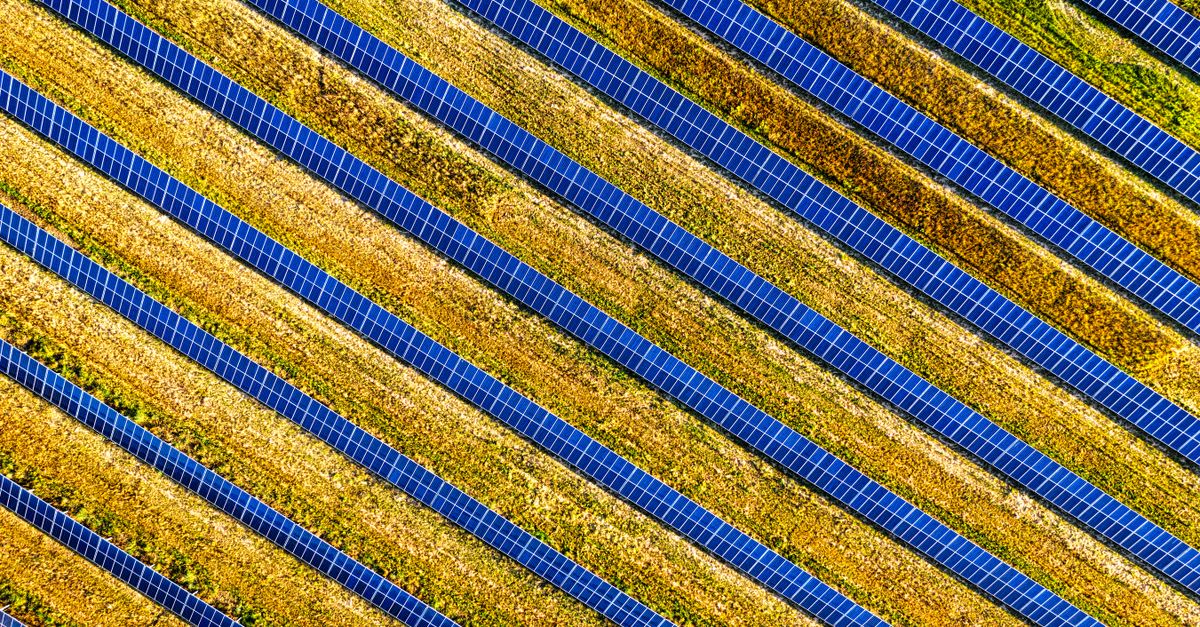
Another emerging practice is the use of low-lying solar canopies over row crops. By suspending photovoltaic panels a few meters above corn, growers create shade that lowers leaf temperature and improves photosynthetic efficiency. In a trial in Maryland, growers reported saving the equivalent of 2-3 barrels of fuel per acre during heat-wave periods, thanks to reduced irrigation and cooler microclimates.
Livestock operations are also embracing biofiltration cells - engineered wetland strips that capture methane and treat wastewater before it reaches waterways. Farms that install these cells can earn carbon credits, which are tradable under emerging regional markets. The credits provide an additional revenue stream while the treated water supports healthier pastures and richer biodiversity.
These examples show that climate-resilient investments are not abstract ideas; they are tangible, on-the-ground projects that reduce risk, cut costs, and open new income pathways. When I helped a dairy farm design a biofiltration system, the owner saw a 15% drop in feed costs because healthier pastures required less supplemental feeding.
What Is Climate Resilience Fund?
The State Climate Resilience Fund is a statewide program that offers matching grants to agricultural producers for projects that lower carbon footprints and improve watershed health. Grants can cover up to 50% of eligible costs, and the money is provided interest-free, meaning farmers do not accrue debt while they implement nature-based solutions.
Application procedures have been streamlined through County Agriculture Offices. Farmers submit a detailed plan that includes an assessment of current risks, a mitigation strategy, and a monitoring framework. A cost-benefit analysis must demonstrate that projected net benefits exceed 1.5 times the baseline economic value, a threshold designed to ensure public funds generate measurable returns.
Because the fund is administered at the state level, it aligns with broader climate-action goals such as those outlined in the Environmental Improvement Plan (EIP) 2025, which emphasizes integrated water management and ecosystem restoration.
Once approved, funds are disbursed in two installments: 30% up-front to purchase equipment or start construction, and the remaining 70% after a third-party verification of project outcomes. This phased approach reduces risk for both the farmer and the state, and it encourages careful project management from day one.
In my experience, the shortened 30-day approval window can be a game changer for farms facing imminent flood threats. A soybean producer in Sussex County secured grant money just weeks before a projected spring surge, allowing rapid installation of a buffer strip that later proved effective during a 2024 rain event.
Coastal Adaptation Projects Funding
Coastal adaptation grants focus on projects that protect shorelines while enhancing marine habitats. One popular tool is the construction of oyster reef batteries. These engineered reef structures not only provide habitat for oysters but also dissipate wave energy, reducing tidal surge impact by roughly 30% along vulnerable coastlines, according to recent engineering assessments.
Passive shoreline structures - such as vegetated dunes, sand berms, and strategically placed cobbles - work in tandem with financial incentives for farmland owners to adopt them. When farms agree to maintain a vegetated buffer, they receive credits that lower their vulnerability scores by up to 40%. This reduction translates into lower insurance premiums and fewer emergency repairs.
Funding for these projects is contingent on measurable ecological outcomes. For example, grant agreements may require the creation of a minimum number of habitat acres per dollar invested, or the maintenance of seasonal wetland compliance for at least five years after construction. These conditions ensure that the benefits persist beyond the initial grant period.
During a recent field visit in the Chesapeake Bay watershed, I observed a farmer who integrated an oyster reef with a low-lying marsh. The combined system not only protected his fields from storm surge but also boosted local fish stocks, creating an ancillary revenue stream through shellfish licensing.
The funding mechanisms are designed to be flexible. While the core grant covers 40-50% of construction costs, additional state or federal incentives can be layered on top, effectively reducing the farmer’s out-of-pocket expense to less than 20% of total project spend.
Green Infrastructure Solutions for the Eastern Shore
Blue-green corridors are an emerging strategy that blends stormwater management with agricultural productivity. By linking green roofs, rain gardens, and bioswales, farms can channel excess runoff into infiltration zones, cutting peak flow by about 25%. The slowed runoff not only reduces flood risk but also recharges soil moisture, improving crop resilience and marketability.
Electric transects - rows of low-height wind turbines mounted on farm rooftops - provide renewable energy directly to irrigation pumps and cooling systems. When paired with federal renewable incentives, these transects can lower farm-related carbon emissions by roughly 35% during periods of climate stress.
Smart sensor networks are another key component. Soil moisture probes, combined with transpiration sensors, feed data into a cloud-based platform that suggests optimal irrigation timing. Farmers who adopt these sensors typically cut water usage by 20% and avoid yield penalties that arise from over- or under-watering.
In practice, I helped a mixed-crop farm on the Eastern Shore integrate a blue-green corridor across a 15-acre parcel. The project involved installing a series of rain gardens along a natural drainage path, which now captures stormwater that would have otherwise washed away topsoil. Since implementation, the farm’s nitrogen runoff has dropped noticeably, a benefit that aligns with the Priorities for California’s Water, which stress the importance of nutrient reduction through green infrastructure.
Overall, these solutions illustrate how a farm can become a hub of climate adaptation, turning what was once a liability - excess water - into an asset that supports both production and environmental stewardship.
Q: How do I determine if my farm qualifies for a climate resilience grant?
A: Start by completing a risk assessment that identifies flood, drought, and carbon-footprint concerns. Then review the State Climate Resilience Fund eligibility criteria, which focus on projects that improve watershed health and reduce emissions. If your plan shows a net benefit at least 1.5 times the baseline, you likely qualify.
Q: What are the main differences between state grants and local funds?
A: State grants provide matching funds, often up to 50% of project costs, and require detailed monitoring. Local funds usually offer smaller, quicker loans or technical assistance without matching, and they may have fewer reporting requirements but also less capital available.
Q: Can I combine a climate resilience grant with other incentives?
A: Yes. Many projects qualify for multiple programs, such as federal renewable energy tax credits, USDA conservation easements, and state matching grants. Stacking incentives can reduce your out-of-pocket costs to below 20% of total project spend.
Q: How long does the grant approval process take?
A: The streamlined pathway through County Agriculture Offices aims for a 30-day turnaround from submission to award, provided the application includes a complete risk assessment, cost-benefit analysis, and monitoring plan.
Q: What monitoring is required after receiving a grant?
A: Recipients must submit baseline data before implementation and post-project measurements for at least three years. Metrics typically include water quality, flood attenuation, carbon sequestration, and economic returns, all verified by an independent auditor.