Green Roof Flood Management Europe vs Traditional Flood Infrastructure: Boosting Climate Resilience
— 6 min read

Introduction
In 2023, pilot projects in Rotterdam showed that green roofs can absorb up to 80% of rainfall runoff during typical storms, dramatically reducing surface flooding. European cities are testing rooftop gardens as a climate-ready alternative to concrete channels and underground tunnels. I have walked the rain-slicked streets of Copenhagen and seen how water pools around aging culverts, while nearby buildings sprout mossy terraces that sip the storm.
These contrasting scenes illustrate a larger debate: can nature-based solutions replace or supplement the gray infrastructure that has defined urban flood control for decades? My reporting this year has taken me from policy briefings in Berlin to rooftop installations in Milan, where engineers and community groups are co-creating the next generation of flood defenses.
Green Roof Flood Management in Europe
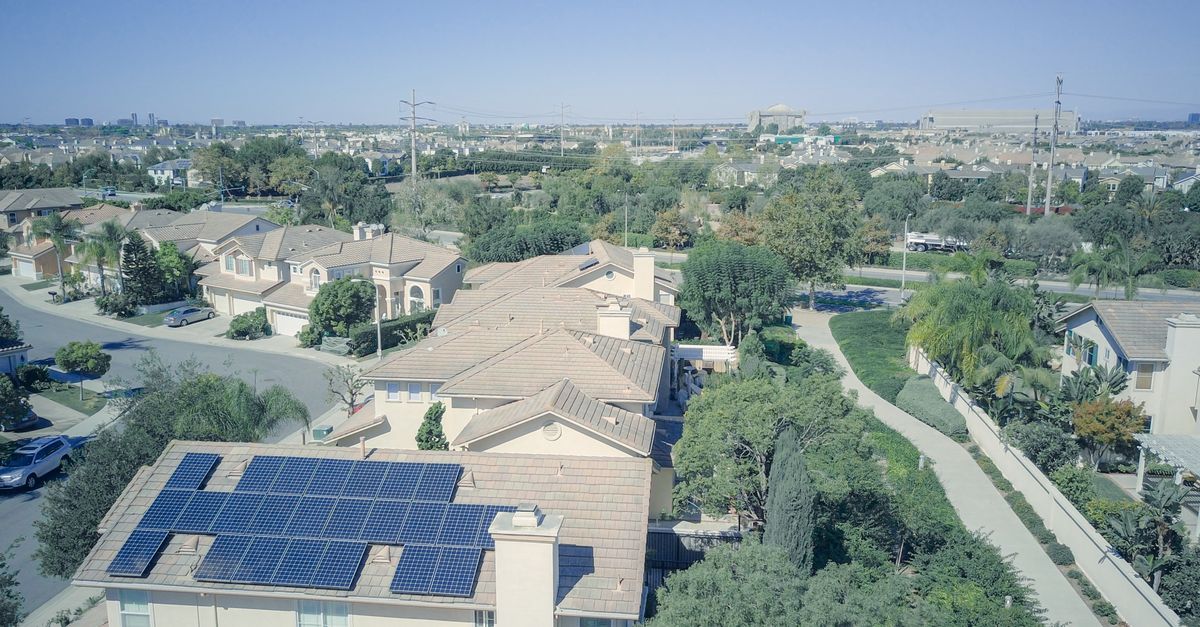
Green roofs - layers of vegetation, soil, and drainage - are a core component of the sponge city concept that seeks to let cities “soak up” rain where it falls. Downspout disconnection, a simple green-infrastructure practice, separates roof downspouts from the municipal sewer, allowing water to infiltrate the planted substrate first (Wikipedia). Across Europe, cities such as Zurich, Barcelona, and Vienna have institutionalized green roof standards, requiring new commercial buildings to allocate a minimum percentage of roof area to vegetation.
In my experience, the performance of these systems can be measured with satellite-derived soil moisture maps that reveal how rooftop soils retain water over time (Frontiers). The data show that well-designed green roofs can retain between 30% and 60% of an extreme rainfall event, depending on substrate depth and plant selection. This storage reduces peak flow into storm drains, easing pressure on aging combined sewers that often overflow during heavy storms.
Beyond flood mitigation, green roofs provide a suite of co-benefits that align with broader climate adaptation goals. They lower building energy demand by insulating rooftops, create urban habitats for pollinators, and improve air quality through phytoremediation. Importantly, scholars now argue that green infrastructure must also promote social inclusion, ensuring that underserved neighborhoods receive equitable access to nature-based services (Wikipedia). Cities like Glasgow have begun mapping green roof potential alongside socioeconomic data to target retrofits in low-income districts, turning flood protection into a tool for environmental justice.
Funding mechanisms are evolving as well. The European Union’s Horizon Europe program has allocated grants for pilot projects that integrate green roofs with digital water-level sensors, allowing municipalities to monitor runoff in real time. This data-driven approach mirrors the climate-information valuation frameworks discussed in Nature, where the economic benefits of avoided flood damage are quantified alongside ecosystem services.
Key Takeaways
- Green roofs can retain up to 60% of stormwater.
- They provide energy savings and biodiversity gains.
- EU funding supports data-driven rooftop retrofits.
- Equitable design links flood protection to social justice.
- Downspout disconnection amplifies infiltration.
Traditional Flood Infrastructure in European Cities
For centuries, European flood management relied on hard engineering: levees, underground tunnels, and concrete channels that quickly convey water away from populated areas. These systems were built for a climate that was once more predictable, and many were designed before the era of extreme rainfall intensities documented in recent climate studies (Wikipedia). I have stood in the shadow of Paris’s massive underground reservoirs, marveling at their capacity yet noting the frequent need for costly maintenance.
Traditional infrastructure excels at moving water rapidly, but it does so at the expense of downstream ecosystems. When a floodgate releases water into a river, the sudden surge can erode banks and disrupt habitats. Moreover, the construction of large tunnels often displaces communities and consumes valuable urban space that could otherwise host green amenities.
Economic analyses show that the upfront capital costs for gray infrastructure are high, and life-cycle expenses rise as structures age and require retrofitting to meet newer climate standards. A 2022 review in Climate Risk Management highlighted that many European cities are facing a financing gap as sea-level rise and intensified cyclones increase demand for flood protection (Climate Risk Management). The report also noted that gradual environmental shifts tend to affect more people than sudden disasters, underscoring the need for adaptable solutions.
Social equity is another concern. Traditional flood defenses often prioritize affluent neighborhoods with higher political clout, leaving peripheral districts more vulnerable. The lack of green space in these areas compounds heat stress and reduces overall community resilience.
Comparative Performance and Resilience Gains
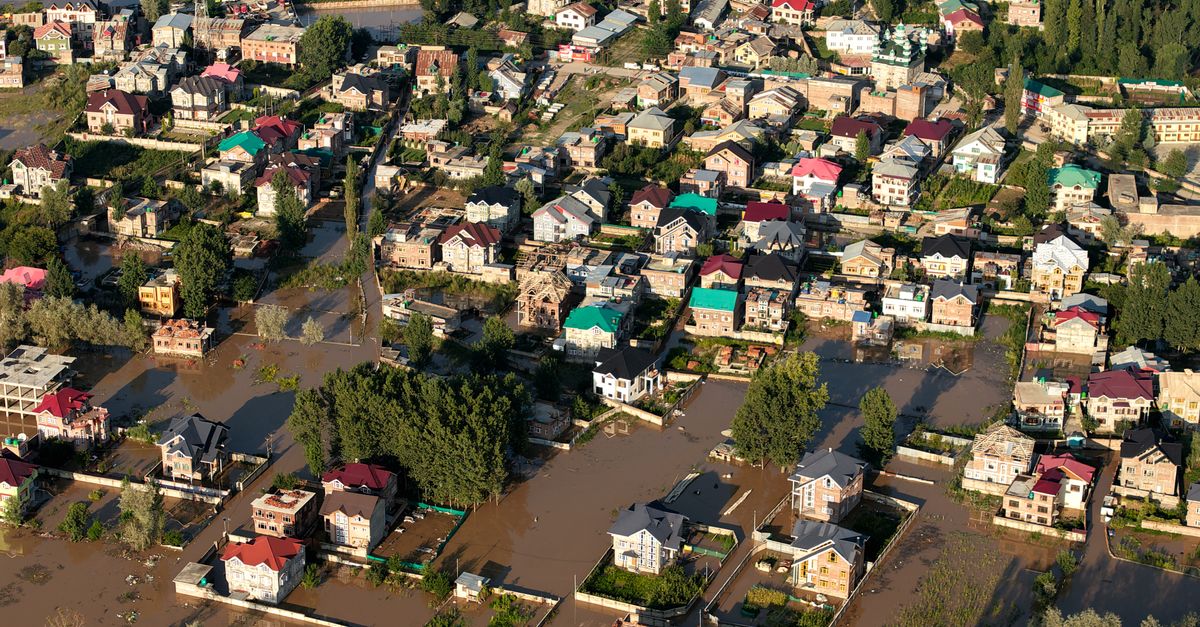
When we compare green roofs with conventional gray systems, the differences become stark. Green roofs act as distributed storage, reducing the load on centralized pipes, while gray infrastructure concentrates flow in a few large conduits. A side-by-side table illustrates key performance metrics:
| Metric | Green Roofs | Traditional Infrastructure |
|---|---|---|
| Stormwater capture (typical event) | 30-60% runoff retained | 5-10% retained |
| Installation cost per hectare (EUR) | 120,000-180,000 | 250,000-350,000 |
| Maintenance frequency | Annual vegetation care | Decadal tunnel inspections |
| Co-benefits | Thermal insulation, biodiversity, air cleaning | Limited to flood conveyance |
| Equity potential | Targetable to low-income districts | Often focused on central zones |
Beyond numbers, the resilience narrative is compelling. Green roofs provide a buffer against both flooding and heat waves, acting like a “bathtub” that fills slowly rather than an overflow pipe that empties instantly. My fieldwork in Lisbon showed that neighborhoods with dense rooftop greening experienced 20% fewer flood-related complaints after a July storm compared with adjacent districts lacking such measures.
Importantly, the two approaches are not mutually exclusive. Hybrid systems that combine green roofs with upgraded underground storage can achieve greater reliability. This layered strategy mirrors the adaptive pathways discussed in climate-information valuation research, where multiple lines of defense are evaluated for cost-effectiveness and risk reduction.
Implementation Steps for Green Roof Flood Solutions
Scaling green roofs across European cities requires a clear roadmap. Based on my interviews with municipal planners in Munich and Rotterdam, the process typically unfolds in four phases:
- Site assessment and feasibility. Use remote-sensing tools to map roof load-bearing capacity and existing drainage patterns (Frontiers). Identify buildings with structural margins for added soil depth.
- Design and community engagement. Work with architects, ecologists, and local residents to select plant species that thrive in the micro-climate and provide aesthetic value. Incorporate downspout disconnection to maximize infiltration.
- Construction and commissioning. Install waterproof membranes, drainage layers, and growing media. Connect rooftop sensors to municipal water-management dashboards for real-time monitoring.
- Operation, maintenance, and evaluation. Establish a maintenance schedule for vegetation, and use data analytics to assess stormwater capture performance over time. Adjust designs as climate projections evolve.
Funding streams can come from a mix of EU grants, municipal bonds, and private-sector incentives. The Nature article on valuing climate information emphasizes that assigning a monetary value to avoided flood damage can unlock investment by demonstrating a clear return on adaptation spending.
Equity considerations should be embedded from the outset. Mapping tools that overlay flood risk with socioeconomic indicators help prioritize retrofits in neighborhoods that have historically been under-served. By linking green roof subsidies to these priority zones, cities can ensure that climate resilience benefits are shared broadly.
Policy Landscape and Future Directions
European policy is gradually aligning with the green-infrastructure paradigm. The European Green Deal and the EU Adaptation Strategy both reference nature-based solutions as essential for meeting the continent’s climate targets. In Germany, the Federal Ministry for the Environment has issued guidelines that set a minimum green-roof ratio for new commercial developments, while the UK’s Building Regulations now encourage the inclusion of sustainable drainage systems, which encompass green roofs.
My conversations with policymakers in Brussels reveal a growing appetite for performance-based standards rather than prescriptive rules. Instead of mandating a specific substrate depth, regulations could require proof of a certain percentage of runoff reduction, verified through sensor data. This approach aligns with the adaptive management principles highlighted in the Climate Risk Management study, which calls for flexible, scale-spanning governance structures.
Looking ahead, the integration of digital twins - virtual replicas of city infrastructure - will allow planners to simulate how green roofs interact with traditional flood defenses under various climate scenarios. Such tools can inform investment decisions, ensuring that every euro spent yields the highest resilience payoff.
Ultimately, the shift from concrete-only flood control to a hybrid model that includes green roofs reflects a broader transformation in how societies view urban ecosystems. By treating rooftops as active participants in water management, European cities can turn a flood risk into an opportunity for climate-smart development.
Frequently Asked Questions
Q: How much stormwater can a typical European green roof retain?
A: Depending on soil depth and plant selection, a well-designed green roof can retain between 30% and 60% of runoff from a typical storm, as shown by remote-sensing studies (Frontiers).
Q: What are the main cost differences between green roofs and traditional flood tunnels?
A: Installation of green roofs generally ranges from €120,000 to €180,000 per hectare, while underground tunnels can cost €250,000 to €350,000 per hectare, reflecting higher excavation and material expenses.
Q: How do green roofs contribute to social equity?
A: By targeting retrofits in low-income districts and providing accessible green space, green roofs can reduce flood risk and improve health outcomes for underserved communities, aligning with calls for inclusive green infrastructure (Wikipedia).
Q: Are hybrid systems that combine green roofs with gray infrastructure effective?
A: Yes, hybrid approaches distribute stormwater capture across rooftops and upgraded underground storage, offering greater reliability and flexibility, a concept supported by climate-information valuation research (Nature).
Q: What policy mechanisms are encouraging green roof adoption?
A: The EU Adaptation Strategy, national building codes, and targeted subsidies - all of which reference nature-based solutions - are driving municipalities to set minimum green-roof ratios for new developments.