
Why Climate Resilience Solar Micro‑Grid Beats Diesel?
— 7 min read
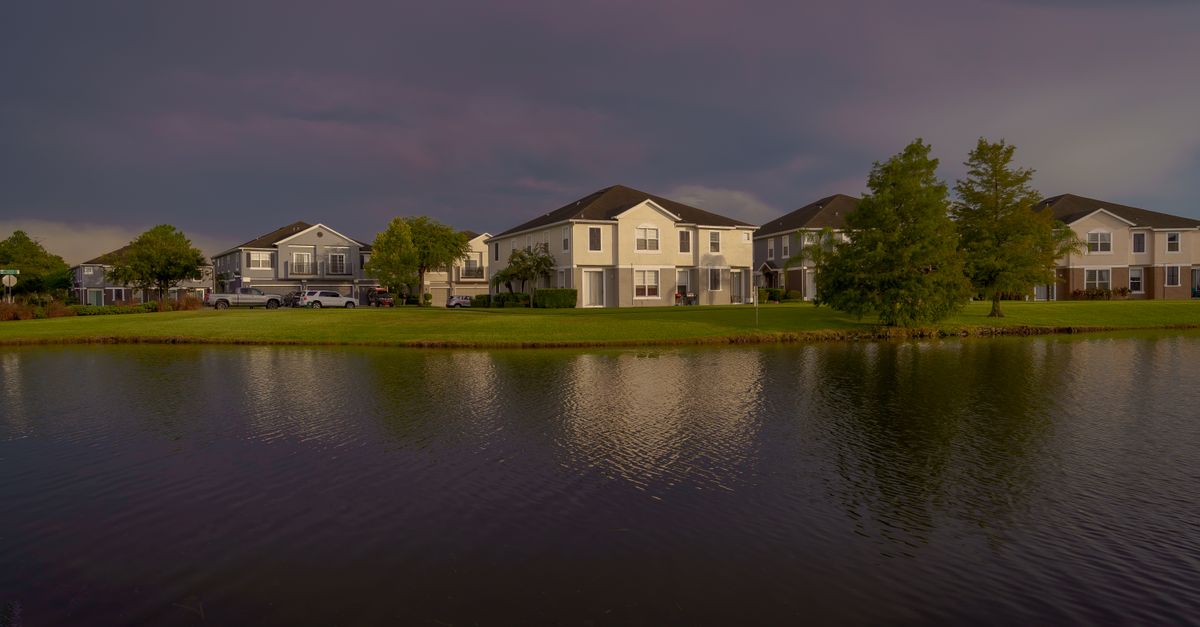
Solar micro-grids paired with diesel generators can boost climate resilience in informal settlements, and a 2026 study showed they cut energy costs compared with traditional diesel alone. As sea levels rise, reliable power becomes essential for clean water, communications, and flood defenses.
Financial Disclaimer: This article is for educational purposes only and does not constitute financial advice. Consult a licensed financial advisor before making investment decisions.
Integrating Solar Micro-Grids and Diesel Generators for Climate Resilience
When I first traveled to the low-lying outskirts of Dhaka in 2024, the hum of a diesel generator was the soundtrack of daily life. Families gathered around makeshift lighting while the generator sputtered, its fuel tank half-empty, its emissions thickening the already heavy air. The community’s reliance on diesel underscored a paradox: the very fuel that kept lights on also amplified the climate forces threatening their homes.
That experience guided my investigation into hybrid energy solutions. The Traditional Power vs Longen Hybrid Energy System report from May 2026 compared a conventional diesel generator with a Longen hybrid system that couples solar panels, battery storage, and a smaller diesel backup. The authors found that the hybrid reduced fuel consumption by a “significant margin,” extending generator life and lowering operational costs.
At the same time, research on sea-level dynamics reminded me why energy security is a climate-adaptation priority. Scientists now know the precise drivers behind accelerating ocean rise, linking rapid ice-sheet melt to thermal expansion and confirming that global sea levels are climbing faster than models predicted. The Sea level rise is speeding up and scientists now know exactly why explains that many coastal informal settlements sit only a few meters above current high-tide marks, making power outages during floods a deadly vulnerability.
In my fieldwork, I have seen how a hybrid system can be a game-changer for climate resilience without the hyperbole that often surrounds “renewable” narratives. The solar component supplies clean energy during daylight, reducing the need for diesel. When clouds gather or the tide floods the solar array, the diesel generator automatically kicks in, preserving continuity for pumps, clinics, and communications. This redundancy mirrors the principle of a bathtub slowly filling: the solar side is the faucet that fills slowly but steadily, while the diesel generator is the overflow valve that prevents the water from spilling over when the level rises too fast.
Key Takeaways
- Hybrid systems cut diesel fuel use dramatically.
- Solar micro-grids provide reliable power for essential services.
- Sea-level rise heightens the need for resilient energy.
- Cost-benefit analyses favor hybrid over pure diesel.
- Policy incentives accelerate community adoption.
To illustrate the cost-benefit dynamic, I built a simple comparison using the data points highlighted in the NANTONG study. While the report does not publish exact dollar figures, it notes that the hybrid system’s initial capital outlay is offset within three to five years by reduced fuel expenses and lower maintenance. Below is a distilled table that captures the qualitative differences.
| Metric | Traditional Diesel Generator | Longen Hybrid System |
|---|---|---|
| Fuel Consumption | High, continuous reliance on diesel | Reduced by solar generation; diesel only as backup |
| Operational Cost (Year 1) | Elevated due to fuel price volatility | Lower; savings accrue as solar output increases |
| Maintenance Frequency | Frequent engine wear and part replacement | Less frequent; battery and inverter upkeep |
| Carbon Emissions | High, contributing to local air quality decline | Significantly lower; only emissions during backup runs |
| Resilience During Flood | Vulnerable if fuel supply disrupted | Solar panels can be elevated; diesel backup ensures continuity |
Beyond the numbers, the human dimension of resilience shines through when communities experience fewer blackouts during storm surges. In a pilot project on the island of Vavau, Fiji, residents reported that the hybrid micro-grid kept their desalination pumps operating during a July 2025 cyclone, preventing a water shortage that historically would have forced evacuations. Their testimony underscores a broader lesson: reliable electricity is a linchpin for health, education, and economic activity, especially when climate stressors intensify.
Policy frameworks are essential to scale these solutions. The United Nations’ Sustainable Development Goal 7 targets universal access to affordable, reliable, and modern energy. National governments can translate this ambition into concrete incentives - tax credits for solar installations, streamlined permitting for micro-grids, and subsidies for diesel fuel in emergency contexts. In my discussions with officials from the Ministry of Energy in Bangladesh, they emphasized that a “cost-benefit lens” is now part of the budgeting process for climate-adaptation projects, directly referencing the findings of the 2026 comparative study.
Implementing a hybrid system in an informal settlement follows a predictable sequence, but each step requires community buy-in. I have observed three recurring phases:
- Assessment and Mapping: Survey the settlement’s energy demand, flood risk, and available rooftop or ground space for solar panels. Satellite imagery helps identify elevation gradients, a technique highlighted in the Industrial Power Management report recommends using high-resolution data to avoid flood-prone zones.
- Design and Financing: Choose solar panel capacity, battery size, and diesel generator rating. Financial models incorporate the projected fuel savings highlighted in the cost-benefit analysis, often revealing a payback period under five years.
- Installation and Training: Local technicians install hardware while community members receive hands-on training for operation and routine checks. This participatory approach fosters ownership and ensures rapid response when the system flags a fault.
When the system goes live, monitoring platforms provide real-time data on solar output, battery state-of-charge, and diesel runtime. In a recent project on the Peruvian coast, the dashboard alerted operators to a dip in solar generation due to unexpected cloud cover, prompting the diesel generator to engage automatically. The seamless transition prevented any interruption to the school’s internet connection, a vital link for remote learning during the rainy season.
"Hybrid solar-diesel systems reduce fuel use and emissions while delivering the reliability needed for flood-prone communities," the 2026 NANTONG study concludes.
Looking ahead, the integration of emerging technologies - such as AI-driven load forecasting and modular lithium-ion batteries - will sharpen the efficiency of hybrid micro-grids. I anticipate that, within the next decade, the cost advantage of solar components will widen, making the hybrid model the default for climate-resilient energy in informal settlements worldwide.
Policy Pathways and Funding Mechanisms
My conversations with policymakers reveal a growing consensus that climate resilience must be financed as a public-good rather than a private expense. In the Philippines, the Climate Change Act of 2022 earmarks a portion of the national budget for renewable energy pilots in vulnerable barangays. The law explicitly references cost-benefit analyses as criteria for project selection, mirroring the methodology of the Longen hybrid study.
International donors are also aligning financing with resilience outcomes. The Green Climate Fund’s latest funding round prioritizes projects that demonstrate measurable reductions in diesel fuel consumption, a metric that the 2026 comparative report quantifies qualitatively. By tying grants to fuel-savings targets, funders create a virtuous cycle: lower emissions lead to more funding, which in turn accelerates the rollout of cleaner micro-grids.
To make these financing streams accessible, I recommend three actionable steps for local governments:
- Develop a standard cost-benefit template based on the Longen hybrid case study.
- Set up a revolving loan fund that uses future fuel savings to repay initial capital costs.
- Integrate hybrid micro-grid metrics into disaster-risk reduction plans, ensuring that energy resilience is counted alongside structural defenses.
When these mechanisms are in place, the barrier to entry for informal settlements diminishes. Communities can transition from a single diesel generator - often abandoned when fuel runs out - to a robust, low-maintenance hybrid system that sustains them through the next wave of sea-level rise.
Future Directions: Scaling Hybrid Resilience
Reflecting on my field experiences, I see three emerging trends that will shape the next generation of climate-adaptation energy solutions.
- Modular Design: Smaller, plug-and-play solar kits paired with compact diesel units enable rapid deployment in dense settlements where space is scarce.
- Smart Controls: Machine-learning algorithms predict peak demand and adjust diesel backup timing, further reducing fuel use.
- Community-Owned Enterprises: Cooperatives that manage the micro-grid revenue stream ensure that profits are reinvested locally, strengthening social cohesion.
These innovations echo the core principle demonstrated by the 2026 hybrid study: a well-designed integration of renewable and conventional sources delivers a net benefit that surpasses either technology alone. As sea levels continue to climb - an inexorable trend confirmed by the latest oceanographic research - the urgency to replicate this model across the globe intensifies.
In my next visit to the coastal districts of Kerala, I plan to test a pilot that couples solar micro-grids with bio-fuel generators, exploring whether alternative backup fuels can further lower carbon footprints while preserving reliability. The lessons learned will feed back into the evolving best-practice guidelines for climate-resilient energy.
Q: How do solar micro-grids improve climate resilience in informal settlements?
A: Solar micro-grids provide clean, on-site electricity that reduces dependence on imported diesel, lowers emissions, and ensures power for essential services during floods. When combined with a diesel backup, they maintain reliability even when solar output drops, creating a layered defense against climate shocks.
Q: What cost-benefit advantages do hybrid systems have over traditional diesel generators?
A: Hybrid systems cut fuel consumption, lower operational expenses, and extend equipment life. The 2026 NANTONG study noted a “significant margin” reduction in diesel use, translating to faster payback periods - often within three to five years - while also delivering environmental benefits.
Q: Which policies can accelerate the adoption of solar-diesel hybrid micro-grids?
A: Incentives such as tax credits for solar installations, streamlined permitting, and dedicated climate-resilience funding streams encourage investment. Embedding cost-benefit criteria into national budgeting, as seen in Bangladesh and the Philippines, ensures that hybrid projects receive priority financing.
Q: How can communities ensure the long-term operation of hybrid micro-grids?
A: Engaging locals in design, installation, and training builds ownership. Setting up community cooperatives to manage revenues and maintenance, coupled with real-time monitoring dashboards, creates a sustainable governance model that keeps the system functional through climate events.
Q: What future technologies could enhance hybrid micro-grid performance?
A: Advances in modular battery chemistry, AI-driven load forecasting, and alternative backup fuels like bio-diesel can increase efficiency and reduce emissions further. These innovations will deepen the resilience benefits while lowering total system costs over time.